You do not have to choose between a quieter suburban feel and a lifestyle with real day-to-day convenience. That is a big reason many buyers look closely at Walnut Creek when they are ready to stop renting, move up, or put down roots in the East Bay. If you are wondering what daily life actually feels like after move-in, this guide will walk you through the rhythm of homeownership in Walnut Creek. Let’s dive in.
Walnut Creek lifestyle at a glance
As a new homeowner, Walnut Creek often feels like a place where everyday errands, outdoor time, and social plans can fit into the same day without much friction. Downtown Walnut Creek is known for its mix of dining, shopping, arts, entertainment, and civic spaces, which gives the city a strong center instead of a purely residential feel.
It also stands out as a place with a meaningful share of homeowners. According to Census QuickFacts, the owner-occupied housing rate is 64.5%, which helps explain why many buyers see Walnut Creek as a long-term home base rather than a short stop.
Daily life feels convenient
One of the biggest perks of living in Walnut Creek is how much is close at hand. Downtown brings together restaurants, specialty shopping, civic buildings, arts venues, and public gathering spaces in a fairly compact area.
That can make your routine feel easier once you own a home here. You might run errands, meet a friend for coffee, stop by the library, and take a walk through downtown without needing to plan your whole day around traffic.
Downtown Walnut Creek offers a real center
The downtown visitor guide highlights several spots that shape daily life in the city. These include the Sunday farmers market on Locust Street, Broadway Plaza, Civic Park, the library, the Lesher Center for the Arts, and year-round public art and events.
Broadway Plaza is a major piece of that mix. It is an open-air shopping center with more than 80 retailers, specialty shops, dining options, and office space, which gives the area a lively but still easy-to-navigate feel.
Small routines are easy to build here
For many new homeowners, lifestyle is not just about big amenities. It is about whether your week has places you actually want to return to.
Walnut Creek supports that kind of routine well. The Sunday farmers market, park connections, downtown events, and arts venues create simple ways to feel connected to your surroundings after you move in.
Outdoor access is part of daily living
If you like having space to walk, bike, explore trails, or spend time outdoors close to home, Walnut Creek has a lot to offer. The city says it has more than 3,000 acres of open space, and Public Works notes more than 100 miles of hiking and equestrian trails plus 22 public parks.
That outdoor network shapes how the city feels. Even if you are living in an established residential area, you are not far from parks, trailheads, and open land.
Parks support everyday recreation
Heather Farm Park is one of the city’s standout destinations. The 102-acre park includes an all-abilities playground, off-leash dog park, fishing pond, nature lake, swim center, skate park, tennis courts, and trail connections.
Civic Park gives downtown residents and visitors another easy outdoor option. It spans 16.7 acres and connects to the Iron Horse Trail, which makes it a useful part of both recreation and local movement through the city.
Larkey Park adds even more variety, with playgrounds, a swim center, tennis facilities, and the Lindsay Wildlife Museum nearby. For a new homeowner, that means your options for low-key weekend plans are built into the city itself.
Open space stays close to home
Walnut Creek also offers larger open-space areas for longer outings. Shell Ridge is the city’s largest at 1,420 acres with 31 miles of trails, and it is just a short distance from downtown.
Lime Ridge includes 1,226 acres and 25 miles of trails, while Sugarloaf offers 177 acres with picnic and camping options. Together, these spaces help Walnut Creek feel suburban and connected to nature at the same time.
Commuting is more manageable than in many suburbs
For buyers who still commute to other parts of the East Bay or into San Francisco, Walnut Creek’s transit access is a major part of the appeal. The Walnut Creek BART station is located at 200 Ygnacio Valley Road on the Antioch to SFIA/Millbrae line.
That access can make Walnut Creek feel more flexible than a suburb that depends almost entirely on driving. If your workweek includes regional travel, having BART in the city can be a meaningful quality-of-life advantage.
Local transit adds convenience
County Connection also operates a free Downtown Trolley seven days a week. It serves Broadway Plaza, Main Street Plaza, the Lesher Center, City Hall, and the Senior Center.
There is also a free Route 5 Shuttle on weekdays between Walnut Creek BART and Creekside Drive. For a new homeowner, these smaller transit options can make downtown trips and station access a little easier to manage.
The housing stock is established
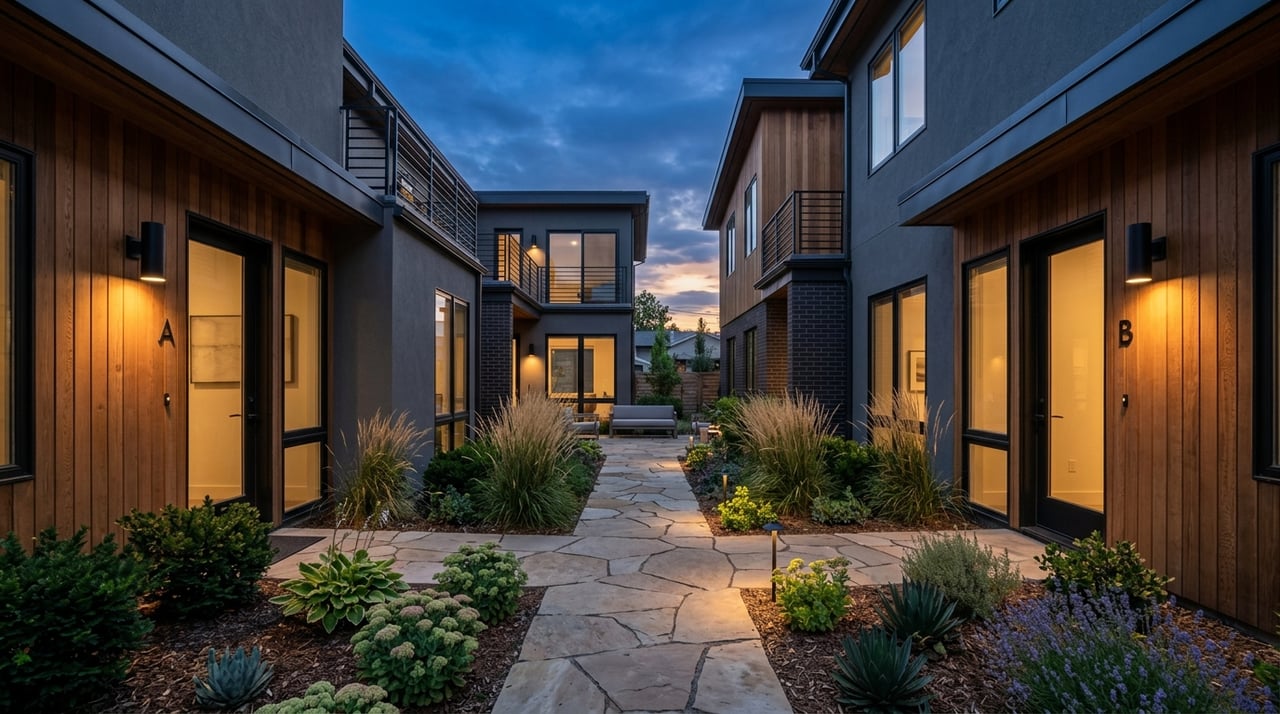
If you picture Walnut Creek as a place filled with brand-new homes, the reality is more mixed. The city’s Housing Element reports 33,969 housing units, with about 37% detached single-family homes, 48% multifamily condominiums or apartments, and 15% attached homes or townhomes.
That variety gives buyers multiple entry points depending on budget and lifestyle. You are likely to compare condos, townhomes, and detached homes rather than shop a large pipeline of new construction.
Most homes are not newly built
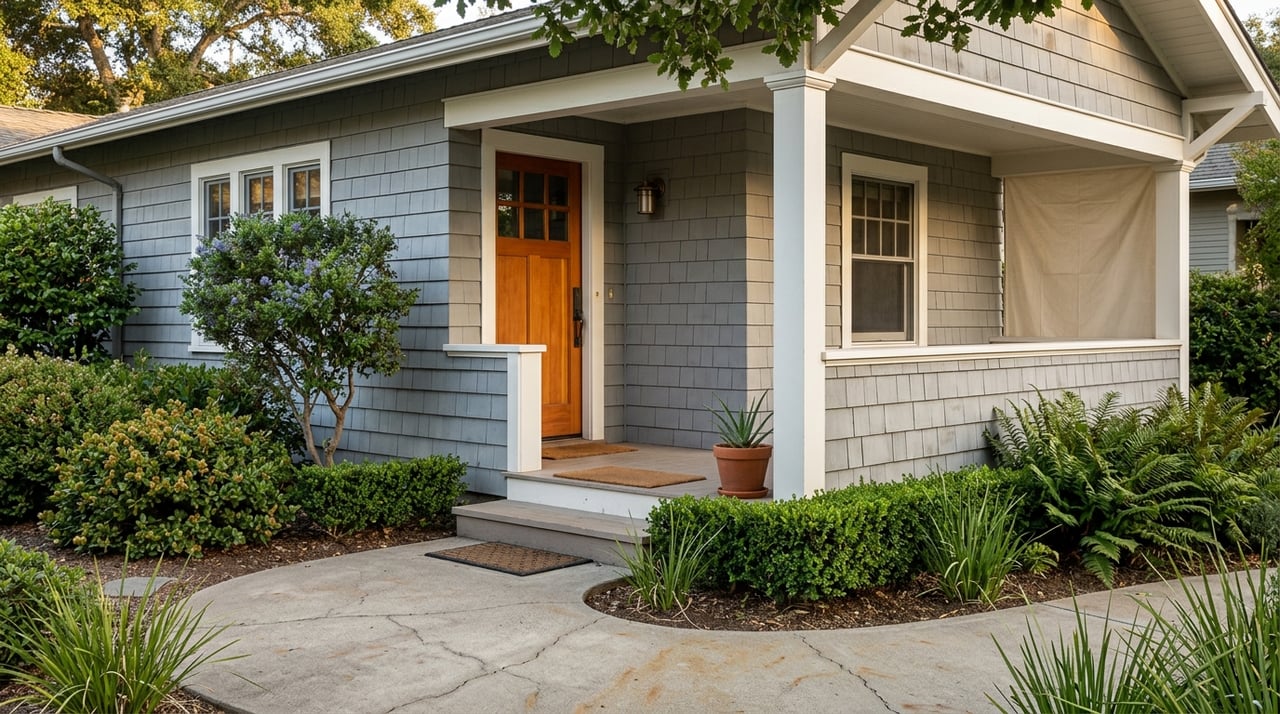
Walnut Creek’s housing stock leans established. The Housing Element says 56% of the city’s homes were built from 1960 to 1979, and only 2.1% were built since 2010.
As a homeowner, that often means you are buying into mature neighborhoods and existing communities. It can also mean spending time evaluating layout, upkeep, updates, and long-term maintenance instead of focusing only on new-build finishes.
Buyers should expect a wide price range
Census QuickFacts reports a median owner-occupied home value of $1,031,100. It also reports median monthly owner costs with a mortgage at $3,718.
Those numbers help explain why many buyers see Walnut Creek as a move-up or trade-up market, though condos and townhomes may offer different price points than detached homes. For many people, the key is matching the right property type to your budget, commute, and lifestyle goals.
What new homeowners often appreciate most
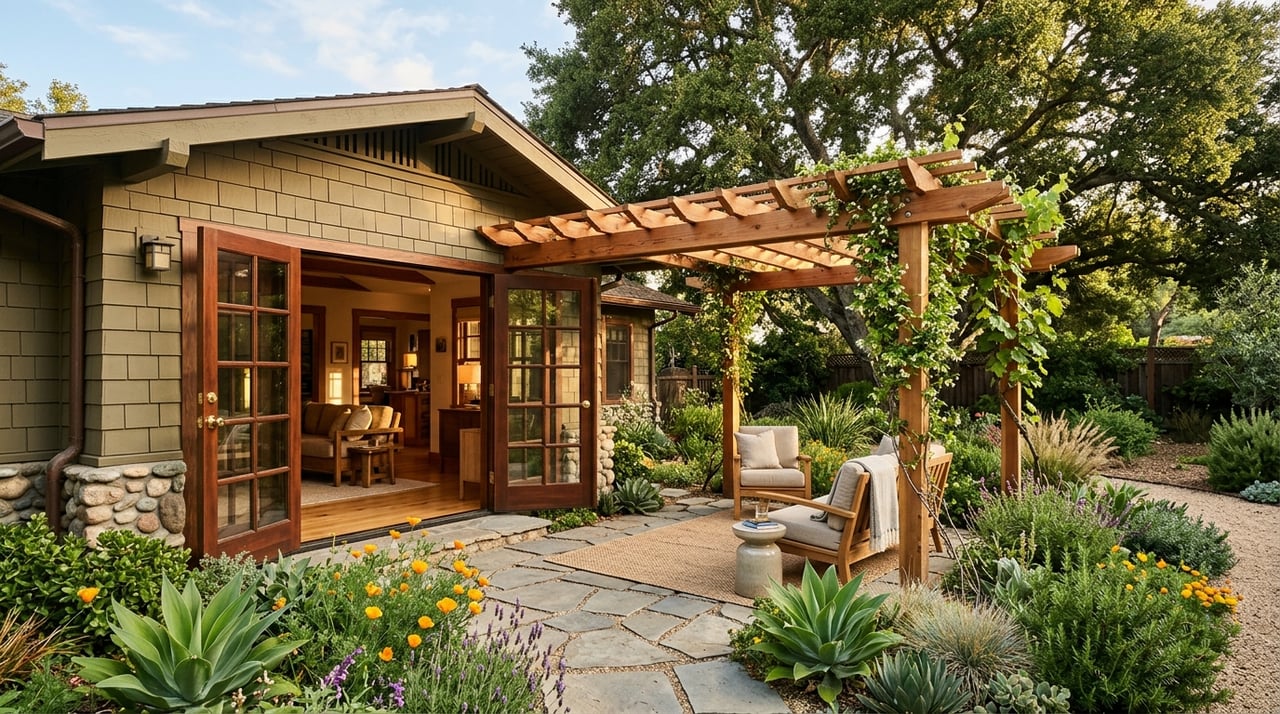
Once you get past the home search, the appeal of Walnut Creek is often about balance. You can have established residential streets, a strong downtown, access to parks and trails, and useful regional transit in one city.
That mix is a big part of what makes Walnut Creek attractive for buyers who want a quieter setting without feeling cut off. It offers a suburban rhythm, but it does not ask you to give up restaurants, shopping, arts, or outdoor access.
Is Walnut Creek a good fit for you?
Walnut Creek may be worth a close look if you want a home base that feels settled, connected, and practical for daily life. It can be especially appealing if you value a mix of residential calm, downtown convenience, and access to BART.
It may also be a strong fit if you are open to established housing stock and want choices across condos, townhomes, and single-family homes. For many buyers, that flexibility is what makes the city easier to seriously consider.
If you are exploring Walnut Creek as a first purchase or a move within the East Bay, it helps to have a clear plan. The more you understand your budget, preferred home type, and day-to-day priorities, the easier it is to tell whether Walnut Creek fits your version of homeownership.
If you want help thinking through Walnut Creek and other East Bay options, Ryan Weible offers a calm, education-first approach designed to help you move forward with clarity.
FAQs
What is daily life like for a new homeowner in Walnut Creek?
- Daily life in Walnut Creek often centers on a mix of established residential areas, a busy downtown, convenient shopping and dining, parks, trails, arts venues, and access to BART.
What kinds of homes can buyers find in Walnut Creek?
- Walnut Creek has a mix of detached single-family homes, condos or apartments, and townhomes, with much of the housing stock built between 1960 and 1979.
Does Walnut Creek have good outdoor access for homeowners?
- Yes. The city reports more than 3,000 acres of open space, more than 100 miles of hiking and equestrian trails, and numerous parks including Heather Farm Park, Civic Park, and Larkey Park.
Is Walnut Creek convenient for BART commuters?
- Yes. Walnut Creek has a BART station on the Antioch to SFIA/Millbrae line, plus local free shuttle options that support access around downtown and near the station.
Is Walnut Creek mostly a rental market or an ownership market?
- Census QuickFacts reports a 64.5% owner-occupied housing rate, which suggests Walnut Creek has a strong homeowner presence.
What should buyers expect about Walnut Creek home prices?
- Census QuickFacts reports a median owner-occupied home value of $1,031,100, so many buyers approach Walnut Creek as a move-up or value-conscious suburban market with a range of property types to compare.