If you are selling in Walnut Creek right now, you may be wondering how much work your home really needs before it hits the market. With mortgage rates still affecting monthly payments and affordability top of mind for many buyers, the goal is not to spend more. It is to make your home feel clean, functional, and easy to understand so value-conscious buyers can say yes with confidence. Let’s dive in.
Why budget-conscious buyers matter
Walnut Creek is still a competitive market, but that does not mean every buyer is carefree about costs. Redfin’s Walnut Creek housing market data shows a March 2026 median sale price of $830,000, with homes moving in about 12 days and receiving roughly two offers on average. In nearby Contra Costa County, the median sale price is slightly lower at $783,750, with an 18-day median market time.
At the same time, financing still matters. Freddie Mac’s reported 30-year fixed mortgage average was 6.30 percent on April 16, 2026, which means many buyers are paying close attention to monthly costs. When payments feel high, buyers often become more selective about condition, repairs, and overall value.
That lines up with national trends. NAR’s 2025 buyer and seller profile found that first-time buyers made up just 21 percent of the market, and the median down payment was 19 percent. For many households, affordability is still shaping every decision.
What buyers notice first
When buyers are trying to stay within budget, they often look for anything that might create extra expense after closing. According to NAR’s 2024 generational trends report, the most common compromise buyers make is price, followed by condition, size, and style. That tells you something important: buyers may bend on aesthetics, but condition and value still rise to the top.
The same report says 59 percent of buyers see finding the right property as the hardest step. Your listing can stand out by making the home’s condition, layout, and function obvious right away. If buyers understand what they are getting, they are less likely to assume the worst.
Start with the basics
If you are deciding where to spend time and money, begin with the simple improvements that reduce uncertainty. NAR’s home-showing checklist highlights lower-cost steps that make a real difference: decluttering, removing extra furniture, cleaning windows and screens, replacing burned-out bulbs, fresh neutral paint, deep cleaning, minor repairs, and tidying the exterior.
These are not glamorous projects, but they work because they help buyers focus on the home itself. A clean, bright, well-maintained space signals that the property has been cared for. That can go a long way with buyers who are already trying to manage a tight budget.
Focus on clean and clear
Deep cleaning is one of the best returns on effort. Dust, soap scum, streaked windows, and dingy floors can make buyers assume bigger maintenance issues are hiding underneath. A truly clean home feels more move-in ready, even if finishes are older.
Clutter matters too. If rooms feel crowded, buyers may think the home lacks storage or usable square footage. Removing extra items helps rooms look more open and easier to picture as their own.
Handle small repairs
Loose handles, squeaky doors, chipped paint, and missing light bulbs may seem minor, but they add up. Budget-conscious buyers often notice small deferred maintenance and wonder what else has been postponed. Fixing these details helps prevent your home from feeling like a project.
This does not mean you need a full renovation. If your home is structurally sound and generally well maintained, thoughtful presentation often does more for buyer confidence than a costly remodel.
Make the layout easy to understand
Today’s buyers usually meet your home online first. NAR’s 2024 report found that 41 percent of buyers began by searching online for properties, and the most useful website features were photos, detailed property information, floor plans, and virtual tours.
That means your prep should support your marketing. Before photos are taken, make each room’s purpose easy to read. Buyers should not have to guess whether a corner is useful, whether a room can fit a desk, or how the living and dining areas connect.
Show flexible spaces
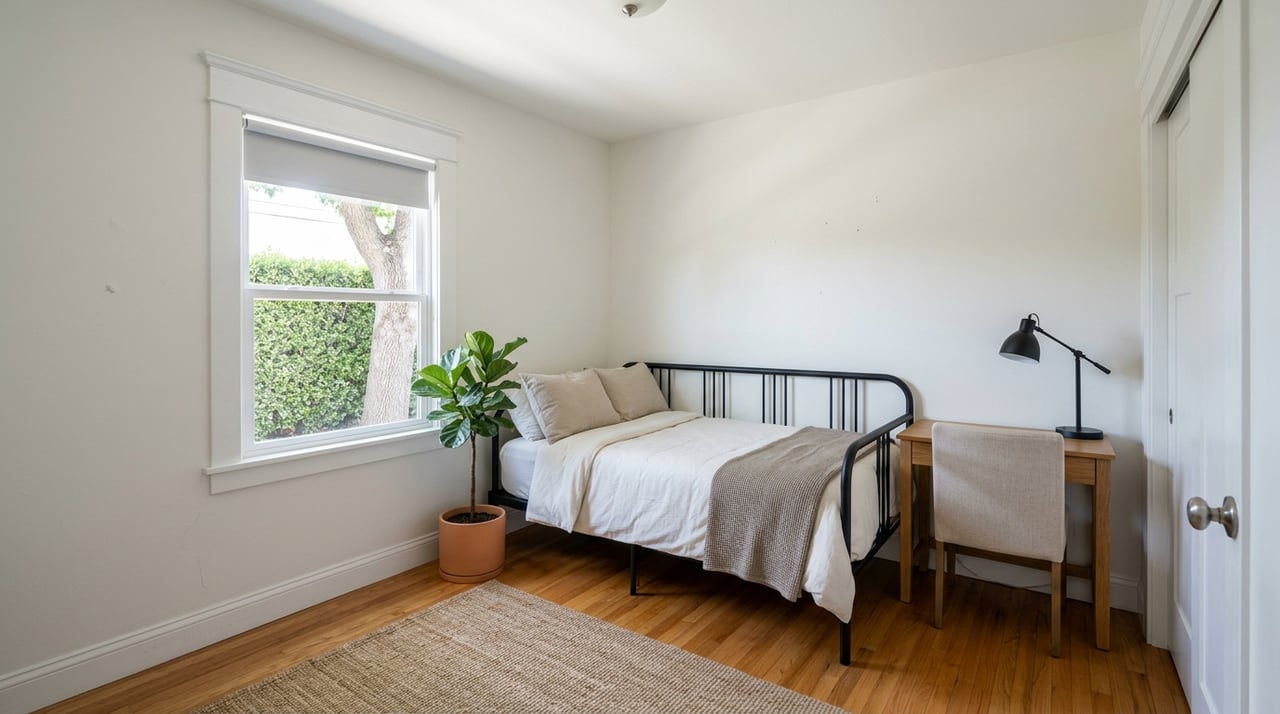
For smaller homes, condos, townhomes, or homes with multipurpose rooms, flexibility can be a major selling point. A breakfast area can become a work nook. A spare corner can read as a guest area. A hallway landing might show as a study zone if it is staged simply and photographed well.
This approach works because buyers want to understand utility. If the function of a space is obvious in the photos and floor plan, buyers are better able to imagine how the home could support their daily life.
Prioritize key rooms
NAR’s 2025 staging report findings, cited in its consumer resources, suggest that buyers respond most strongly to staging in the living room, primary bedroom, and kitchen. If you are working within a budget, those areas usually deserve the most attention.
You do not need luxury furniture or a dramatic design concept. Simple, scaled pieces, clear walkways, and a calm neutral look can help buyers focus on the room itself rather than your belongings.
Skip upgrades that do not change value
One of the biggest mistakes sellers make is spending heavily on cosmetic projects that do not improve how the home lives. Budget-conscious buyers are often less interested in the trendiest finish and more interested in whether the home feels cared for, functional, and honestly priced.
In many cases, fresh paint, better lighting, clean surfaces, and a clear floor plan presentation will do more than a high-cost kitchen or bath overhaul. If a remodel does not change the home’s basic utility, it may not deliver the return you hoped for.
A smarter question is this: will this expense reduce buyer doubt? If the answer is yes, it may be worth doing. If not, your money may be better spent on presentation, photos, and practical repairs.
Be honest about condition
Trying to look “budget friendly” should never mean covering up issues. In fact, buyers who are stretched on affordability often become more cautious when anything feels vague or hidden. The stronger strategy is to present the home clearly and disclose material facts properly.
For most California resales of one to four dwelling units, sellers must provide a Real Estate Transfer Disclosure Statement and disclose material facts that affect value or desirability. If the property is in a mapped hazard area, a Natural Hazard Disclosure Statement is also required.
Know the California basics
If your home was built before 1978, California disclosure guidance requires lead-based paint disclosure, including any known hazards or reports, plus delivery of the EPA pamphlet and an opportunity for the buyer to inspect. Sellers should also disclose environmental hazards in the TDS.
The California Seismic Safety Commission FAQ notes that sellers must disclose earthquake weaknesses described in the Homeowner’s Guide to Earthquake Safety. If the house was built before 1960, the booklet and disclosure form must be delivered to the buyer. The Commission also states that new and replacement water heaters must be anchored or strapped, and sellers must certify that water heaters are braced.
These steps are not just about compliance. They also help reduce surprises, and fewer surprises can help a serious buyer stay engaged.
A practical prep plan
If you want a simple framework, focus on the work that helps buyers quickly understand your home and feel comfortable with its condition.
Use this seller checklist
- Deep clean every room
- Remove clutter and store extra furniture
- Clean windows and screens
- Replace burned-out bulbs
- Touch up with fresh neutral paint where needed
- Fix minor visible repairs
- Put away pet items and personal toiletries for showings
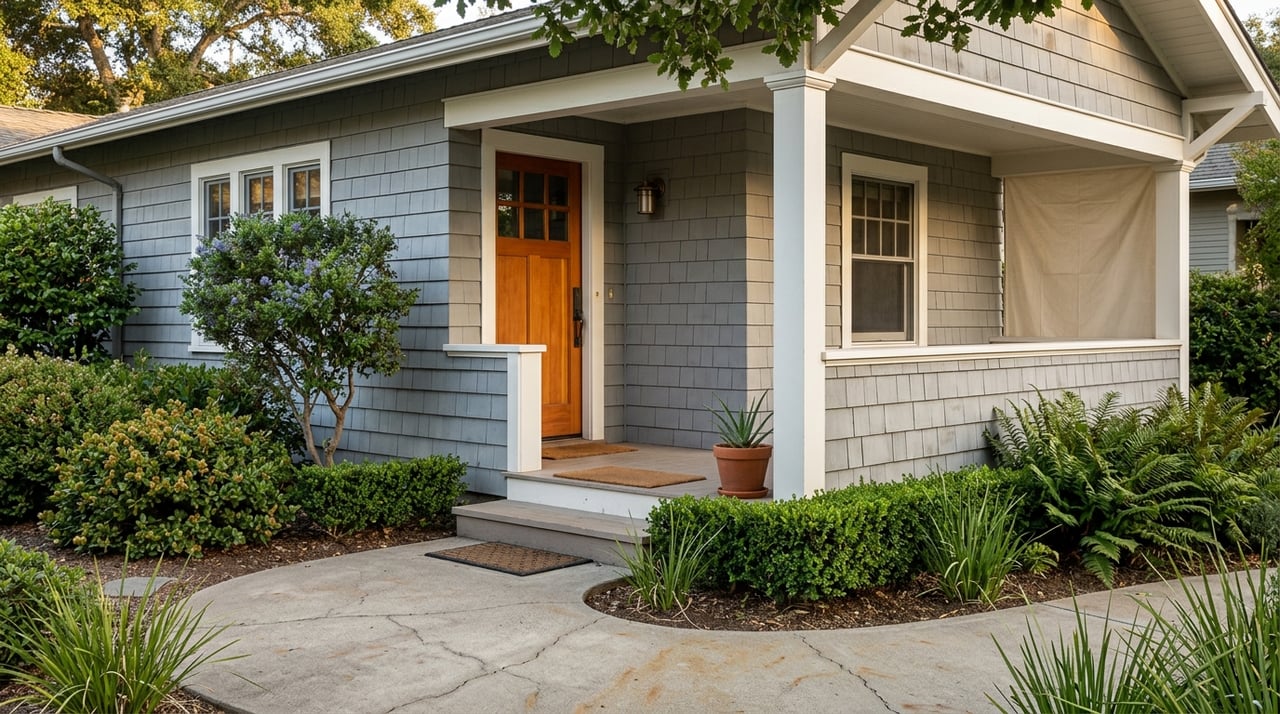
- Tidy the front entry, walkway, and yard
- Define the purpose of each room before photos
- Gather disclosure documents early
This type of prep supports the buyers most likely to compare value carefully. It also helps your listing look stronger online, where many buyers will form their first impression.
Why this strategy works in Walnut Creek
In a market like Walnut Creek, buyers may still move quickly, but they are not ignoring cost. Between home prices, down payment pressure, and ongoing mortgage-rate sensitivity, many households are weighing every future expense. They may accept an older kitchen or a smaller footprint if the home feels well maintained and easy to live in.
That is why the best prep is often calm, practical, and intentional. You do not need to over-improve your property to attract serious interest. You need to remove distractions, make the home’s value easier to see, and give buyers confidence in what they are buying.
If you are thinking about selling and want a clear plan for what to fix, what to skip, and how to position your home for today’s value-conscious East Bay buyers, Ryan Weible can help you start with a conversation.
FAQs
What do budget-conscious buyers in Walnut Creek care about most?
- Budget-conscious buyers in Walnut Creek often pay close attention to price, condition, layout, and likely future repair costs, especially when mortgage payments are a major factor.
What low-cost home improvements matter most before listing in Walnut Creek?
- The most useful lower-cost steps usually include deep cleaning, decluttering, replacing light bulbs, touching up neutral paint, cleaning windows, fixing minor repairs, and tidying the exterior.
Should you remodel a Walnut Creek home before selling to value-conscious buyers?
- Not always. If your home is structurally sound and well maintained, practical improvements and clear presentation may do more than an expensive cosmetic remodel.
How important are photos and floor plans for Walnut Creek home listings?
- They are very important because many buyers begin online and often rely on photos, detailed property information, floor plans, and virtual tours to decide whether a home feels worth seeing.
What disclosures do California sellers need for a Walnut Creek resale home?
- Many California sellers need to provide a Transfer Disclosure Statement, and depending on the property, may also need natural hazard, lead-based paint, earthquake safety, and water-heater bracing related disclosures.