If you’re preparing to sell a condo or small home in Oakland, you’re likely asking what first-time and entry-level buyers want right now. Budgets are tight, HOA questions are common, and many buyers prefer move-in ready homes over projects. In this guide, you’ll learn who these buyers are, what they prioritize, and the practical steps that help your listing stand out across Oakland and the broader Oakland–Hayward–Berkeley area. Let’s dive in.
Oakland entry-level market at a glance
Oakland’s entry tier is defined less by a single price and more by the lower third of each neighborhood’s range. Multiple trackers recently placed Oakland’s central price band in roughly the $600,000 to $740,000 range, with variation by data source and neighborhood. City housing plans also point to continued affordability pressure and an older housing stock, which supports strong demand for smaller homes and condos. You’ll get the best read by using a neighborhood-level CMA and pricing to the local entry segment, not just the citywide median. City housing context highlights affordability and stock realities.
Who today’s first-time buyers are
Smaller pool, older median age
National data show that first-time buyer share has fallen to about 21 percent, and the median first-time buyer age has risen to about 40. That means you’re likely marketing to a smaller, more selective pool in 2025–2026. These buyers rely on agent guidance and online search, so professional photos, clear disclosures, and accurate listing details matter. See the NAR summary on first-time buyer trends.
What constrains their budgets
Entry-level buyers in the East Bay watch monthly costs closely. Many use smaller down payments or family gifts and loans, and they compare total carry costs, including mortgage, HOA dues, and utilities. Being upfront about expenses and system updates helps them feel confident about your property.
Local assistance buyers consider
In Alameda County, many first-time or middle-income buyers explore down payment help or Mortgage Credit Certificates. The county’s AC Boost program offers deferred, shared-appreciation loans to qualified buyers. If your home fits the entry tier, flag these resources in your listing notes so buyers know support exists. You can point buyers and their agents to AC Boost and local assistance details.
What entry-level buyers prioritize
Move-in ready beats a project
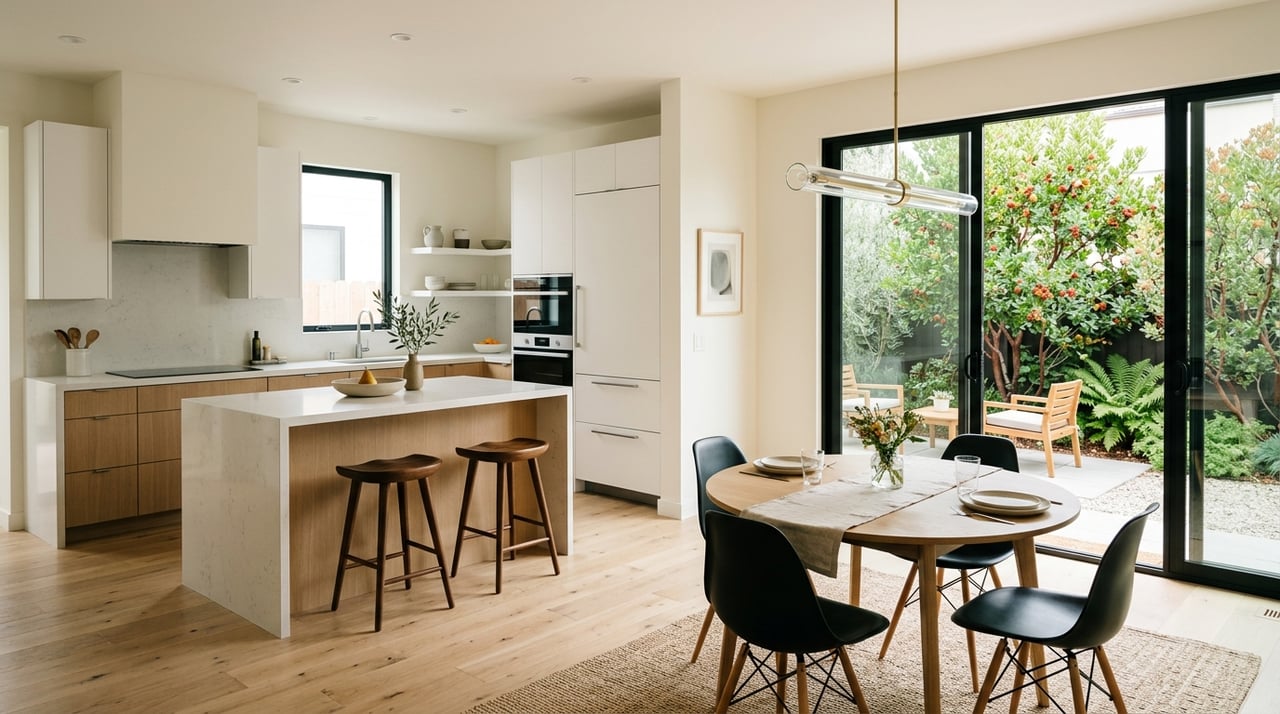
Most first-time buyers prefer homes that feel move-in ready. Neutral paint, functioning kitchens and baths, and clear inspection reports can tip the scales. In Oakland, where older homes are common and budgets are tight, immediate repair needs can push buyers to pass. Focus on surface-level updates and solid system basics. Recent buyer panels echo this preference for move-in condition over fixer potential. Learn what buyers respond to from this 2025 buyer-preference overview.
Flexible, functional space
Usable space matters more than raw square footage. A defined nook or room for a home office, in-home laundry, and practical storage rank high on entry buyer wish lists. If your home has a flex room, built-in storage, or a smart layout, highlight it in the first lines of your description. You can prioritize these features even in smaller homes, where function wins over size.
Low monthly cost and clear numbers
Buyers compare monthly costs, not just list price. Energy-efficient features, updated HVAC or water heaters, double-pane windows, and insulation help buyers feel protected from surprise expenses. For condos, clear HOA dues, recent reserve study highlights, and typical utility ranges build trust. Bay Area ROI studies also show that practical, comfort-driven upgrades signal value to today’s buyers. See regional ROI guidance on cost-effective updates that resonate.
Transit and commute tradeoffs
Oakland neighborhoods that balance transit access, especially BART, with more attainable prices are a draw for buyers priced out of nearby cities. In your marketing, include realistic commute times, transit proximity, and walk and bike options. Buyers compare neighborhoods across the metro, so specifics help your listing rise to the top.
Condo buyer cautions
Condo buyers are careful about HOA dues, reserves, special assessments, and building litigation. The Davis–Stirling resale packet can be hundreds of pages, and buyers typically have a short review window. If you secure and review your packet early, you can address issues upfront and keep your deal on track. Here’s a plain-language overview of why early HOA document access matters.
Prep checklist that pays off
Do these diagnostics first
- Get a pre-listing inspection and verify permits. You can fix or price around issues early, which reduces renegotiation risk and post-closing exposure. In California, early, complete disclosures are a strategic advantage. Learn more about seller duties from this California real estate practice reference.
- If selling a condo, obtain the HOA resale packet and review recent meeting minutes and the reserve study. Allow early buyer access to these documents so there are no last-minute surprises. See guidance on managing the HOA review timeline.
Low-cost improvements with strong ROI
- Fresh, neutral interior paint and light staging. This is quick, affordable, and consistently delivers strong appeal in the Bay Area.
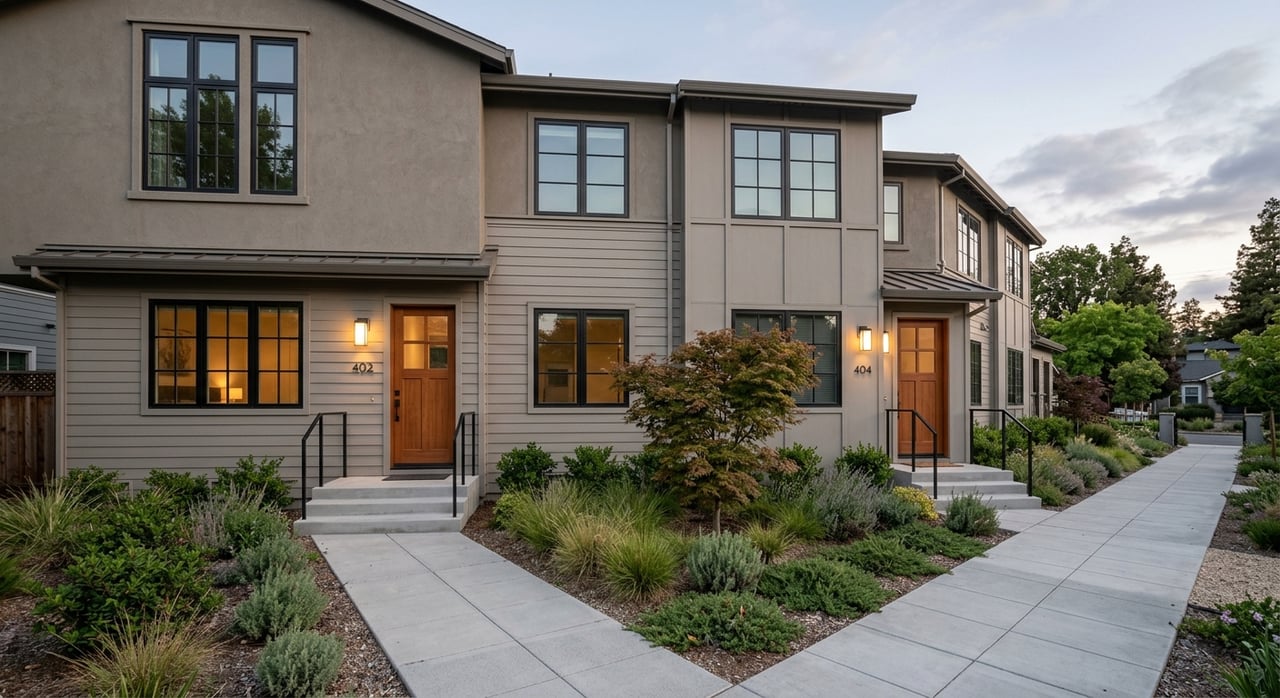
- Curb appeal tune-up. Tidy landscaping, repaired steps, and an updated front door or garage door create a strong first impression.
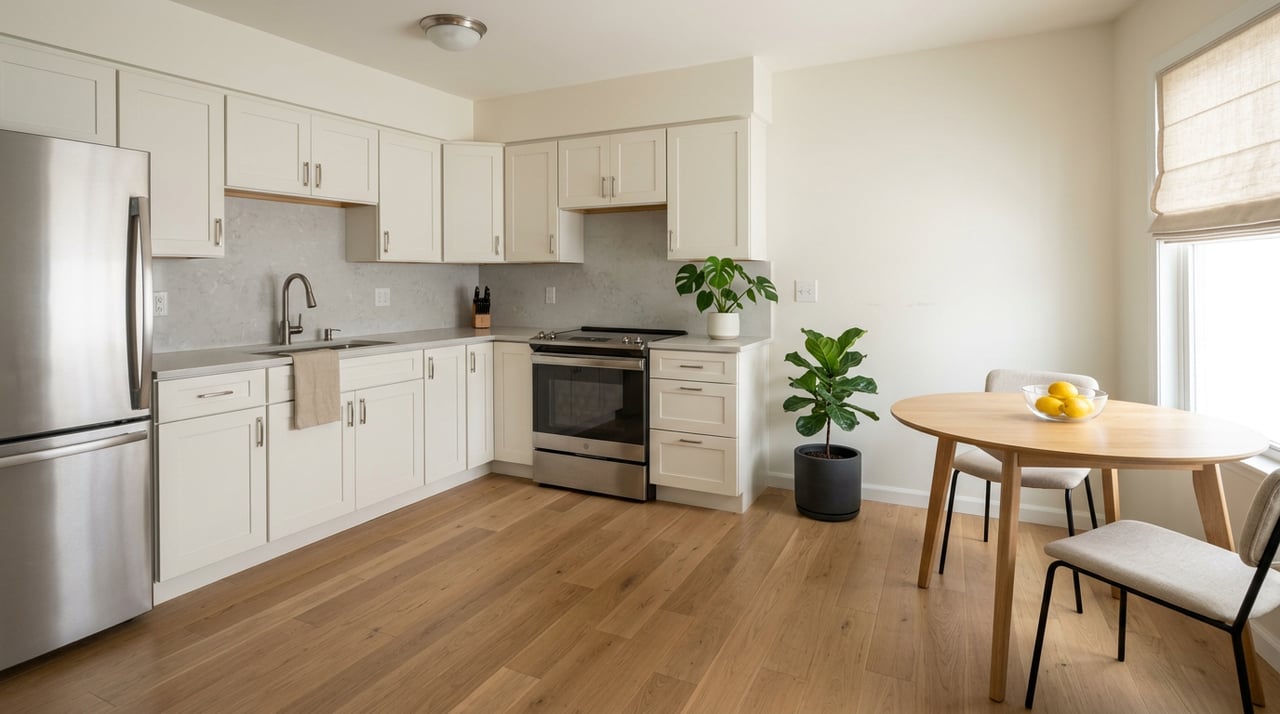
- Minor kitchen and bath refresh. Consider hardware, lighting, surface updates, or a modest appliance upgrade if the budget allows.
- Flooring refresh. Clean, repair, or refinish existing floors. Worn flooring can signal bigger issues even when none exist.
- Comfort and energy notes. If you have a newer HVAC, water heater, smart thermostat, insulation, or double-pane windows, list them clearly.
For entry-level price bands, skip major luxury upgrades or additions. Focus on clean condition, safety, and function. Regional data show these practical refreshes often outperform big-ticket remodels on a percentage return basis. See Bay Area-focused renovation ROI insights.
Pricing and negotiation tactics
- Price to the entry tier. Many first-time buyers search by monthly payment range. A local CMA and a strategy that reflects neighborhood comps for smaller homes and condos can bring more qualified buyers through the door.
- Consider smart concessions. Covering reasonable closing costs, offering a short-term rate buydown, or providing a modest improvement allowance can help constrained buyers write stronger offers. Concession rules vary by loan program, so structure them with lender input. For example, VA loans have specific limits on seller concessions. Review a summary of VA concession guidelines.
- Reduce perceived risk. Offering a home warranty or providing recent service records for major systems can build trust with first-time buyers.
Market your listing to entry-level buyers
- Lead with move-in readiness and function. In your first two sentences, call out the office nook, in-home laundry, storage, system updates, and realistic commute times. See what today’s buyers respond to in this buyer-preference guide.
- For condos, be transparent. State HOA dues and share highlights from recent reserve studies if they are positive. Note any upcoming assessments in agent remarks and include the documents early to speed buyer review. Learn about setting up a smoother HOA document review.
- Highlight assistance options. If you want to attract buyers using local programs like AC Boost or state options, prepare a one-page summary with links for buyer agents. This lowers friction and can increase showings. Point interested buyers to Alameda County’s homeowner resources.
Quick legal and disclosure musts
- Complete required California disclosures, including the Transfer Disclosure Statement and, where applicable, the Natural Hazard Disclosure. Deliver them on time. Early, complete disclosures often speed the sale. See an overview of California disclosure practices.
- For condos and HOAs, be proactive with the Davis–Stirling resale packet. Review finances and meeting minutes before listing so you can answer buyer questions with confidence. Here’s why early HOA document delivery is key.
- Keep records of repairs, permits, and maintenance. Uploading a simple PDF packet to the MLS boosts buyer confidence and can reduce back-and-forth during escrow.
Putting it all together
Entry-level buyers in Oakland are focused on practical value, clear numbers, and move-in readiness. If you lead with function, comfort, and transparency, you position your home to rise above similar listings. A thoughtful prep plan, realistic pricing, and smart concessions can convert a tight-budget shopper into a confident buyer.
If you want a calm, education-first plan to prep, price, and market your Oakland home to today’s entry-level buyers, start with a conversation with Ryan Weible. You’ll get local insights, practical checklists, and the team reach to maximize exposure.
FAQs
Should Oakland sellers renovate the kitchen for first-time buyer appeal?
- Minor upgrades like new hardware, lighting, counters, or a modest appliance swap often deliver better returns than full gut remodels in the entry tier. See Bay Area-specific ROI notes on renovation payoffs.
Do seller concessions really help entry-level buyers in Oakland?
- Yes, when structured well. Covering reasonable closing costs or a short-term rate buydown can move a tight-budget buyer into qualification. Confirm limits by loan type. Review VA concession rules.
How can condo sellers reduce buyer anxiety about HOA issues in Oakland?
- Share the Davis–Stirling resale packet early, highlight reserve study strengths, and disclose any known assessments. Early transparency reduces cancellations. Learn more about navigating HOA document reviews.
Will full disclosures slow my Oakland home sale?
- Usually the opposite. Delivering complete disclosures up front often speeds timelines and reduces last-minute rescission windows. See an overview of California disclosure timing.
What price range defines entry-level in Oakland right now?
- Entry-level varies by neighborhood, property type, and condition. Recent public figures place Oakland’s central price band roughly between $600,000 and $740,000, but your local CMA will set the true entry tier for your area.