The Bay Area real estate market is known for its unpredictability. This makes many homeowners unsure about the best time to sell. With the current market trends, it’s natural to feel overwhelmed and unsure whether to sell now or wait.
As a homeowner in this beautiful region, you’re likely no stranger to the emotional and financial complexities of selling a home. Will you get a good price now, or should you wait for a potentially better offer? I’m here to help you navigate these questions and provide personalized guidance to make an informed decision.
For those seeking expert advice, I invite you to contact me, Ryan, at [email protected] or (925) 890-5492 for a personalized consultation.
Key Takeaways
-
Understand the current Bay Area real estate market trends
-
Learn how to determine the best time to sell your home
-
Get tips on preparing your home for sale
-
Discover the benefits of working with a local real estate expert
-
Find out how to get a personalized home valuation
The Current State of the Bay Area Real Estate Market
Looking at the Bay Area real estate, we see important trends for homeowners. The market has changed a lot, so it’s key to know what’s happening now.
Recent Market Trends and Price Statistics
The Bay Area real estate market shows a mix of trends. Home prices have gone up in some areas but stayed the same or dropped in others. For example, San Jose and San Francisco have seen prices rise due to high demand.
Now, the median home price is about $1.2 million. Some places, like Palo Alto, have prices over $2 million. This is a 5% increase from last year, showing the market is still strong but slowing down.
Inventory Levels and Buyer Demand
There are fewer homes for sale in the Bay Area, making it a competitive market. The number of homes for sale has dropped by 10% from last year. This has led to more offers on good properties.
-
Buyer demand is still high, especially for good deals.
-
Properties priced right sell fast, often in days.
-
The competition is pushing prices up, especially in top school districts.
Interest Rate Impact on the Local Market
Changes in interest rates have greatly affected the Bay Area real estate. When interest rates went up, some buyers couldn’t afford homes, reducing demand. But now, buyers are more careful, waiting for the right time to buy or upgrade.
It’s vital for homeowners to understand these changes. Knowing the Bay Area housing market helps them make better decisions about selling their homes.
Key Factors Influencing Bay Area Home Values in 2023
In 2023, several key elements are shaping home values in the Bay Area. The real estate market is both challenging and fascinating due to these factors.
Tech Industry Employment and Remote Work Policies
The tech industry has a big impact on Bay Area home values. With companies adopting remote work, housing demand is changing. Neighborhoods once seen as commuter towns are now more popular.
Regional Economic Indicators
Regional economic indicators like job growth and GDP matter a lot. A strong economy with diverse industries can lead to higher home prices. But, economic downturns can cause prices to drop.
Migration Patterns In and Out of the Bay Area
Migration patterns are key too. The Bay Area attracts new residents for its culture and economy. But, high costs are pushing some to more affordable places.
Silicon Valley Dynamics
Silicon Valley, the tech industry’s heart, is seeing changes in housing demand. This shift is making us rethink home values in tech-dominated areas.
East Bay and Peninsula Trends
The East Bay and Peninsula have their own trends. The East Bay is attracting families and first-time buyers with its affordable housing. The Peninsula, close to Silicon Valley, keeps demand strong.
Financial Considerations: Selling Now vs. Waiting
Thinking about when to sell your Bay Area home? Money matters a lot. You need to weigh several factors that affect your finances.
Equity Position and Potential Gains
How much equity you have in your home is key. If you’ve built up a lot, selling now could be smart. You might make a big profit.
Let’s say your home is worth $1,200,000 now, up from $800,000 when you bought it. That’s $400,000 in equity. After selling costs, you could still make a lot of money.
| Current Market Value | Selling Costs (5%) | Net Proceeds |
|---|---|---|
| $1,200,000 | $60,000 | $1,140,000 |
Tax Implications of Selling Now
Selling your home also means thinking about taxes. You might have to pay capital gains tax. But, if you’ve lived there for two of the last five years, you might not have to pay as much.
It’s crucial to talk to a tax expert to see how selling will affect your taxes.
Future Value Projections and Risk Assessment
Thinking about selling now or later? Look at what your home might be worth in the future. The market can be unpredictable, and waiting too long might not be good.
Understanding the risks and benefits means studying local market trends and economic signs. These can change your home’s value.
Should You Sell Your Bay Area Home Now or Wait? A Clear Breakdown
Selling your Bay Area home is a big decision. You need to think about the market and your personal situation. Knowing what affects your choice is key.
Scenarios Where Selling Now Makes Sense
Selling now might be smart if the local market is strong. High demand in your area or a job move could also push you to sell. For example, in tech hubs like San Jose or San Francisco, homes sell fast.
Recent trends show Bay Area homes sell quickly and often for more than the asking price. If your home is in good shape and in a popular area, now could be a good time to sell.
“The Bay Area real estate market is highly competitive, and sellers who are prepared can capitalize on the current demand.”
Situations Where Waiting Could Be Advantageous
Waiting might be better in some cases. If you’re not in a rush, you could wait for better market conditions. This could be due to future trends or seasonal changes.
Experts say the Bay Area market might cool down soon. If you’re not in a hurry, waiting could help you avoid selling during a downturn.
Calculating Your Break-Even Timeline
Knowing when to sell involves understanding your break-even timeline. This means figuring out how long it’ll take to cover selling costs like agent fees and closing costs.
Short-Term Considerations (1-2 Years)
For a short-term sale, focus on the current market. If you plan to sell in the next year or two, get your home ready. This means repairs and staging.
| Cost | Short-Term Impact | Long-Term Impact |
|---|---|---|
| Real Estate Agent Fees | 5-6% of sale price | Negligible |
| Closing Costs | 2-3% of sale price | Minimal |
| Home Repairs | Variable | Significant |
Long-Term Outlook (3-5+ Years)
For a longer-term view, think about future trends and your finances. If you plan to stay for years, you might weather any market changes.
Stay updated on market trends to plan wisely. This way, you can make a choice that fits your long-term goals.
Personal Factors That Should Influence Your Decision
When you think about selling your Bay Area home, many personal factors come into play. Your decision isn’t just about the house. It’s also about your life and money situation.Life Changes and Relocations
Big life changes, like a new job, divorce, or a bigger family, might mean you need to move. If you’re facing a move or a change in family size, selling your Bay Area home could be the right choice. Think about if your current home still meets your needs.Financial Goals and Retirement Planning
Your financial goals, like planning for retirement, are key in deciding when to sell. If selling your home helps you reach these goals, it might be a good time. Check if selling your property fits into your long-term financial plans.Property Condition and Improvement Needs
The state of your property is also important. If your home needs a lot of repairs or updates, selling now might be better than fixing it up. Think about the cost of repairs versus the potential gain from selling.| Personal Factor | Considerations | Potential Impact |
|---|---|---|
| Life Changes | Job relocation, family growth, divorce | May necessitate a move to a different sized home or location |
| Financial Goals | Retirement planning, equity utilization | Can influence the timing of the sale to maximize financial benefits |
| Property Condition | Needed repairs, potential for renovation | Affects the decision to sell as-is or invest in improvements |
Bay Area Seasonal Timing Considerations
Timing is key when selling your Bay Area home. Seasonal market rhythms can help you get the best price. Knowing these trends can guide your decision.Historical Performance by Season
The Bay Area real estate market has clear seasonal patterns. Spring and early summer are the busiest, with families moving before school starts. This time sees many listings and competitive prices.In contrast, fall and winter are slower. There are fewer buyers and less competition.

Neighborhood-Specific Market Rhythms
Neighborhoods in the Bay Area have their own market rhythms. Suburbs, with many families, follow the school year. Urban areas like San Francisco or Berkeley have more consistent activity all year.Planning Your Ideal Selling Timeline
Plan your selling timeline carefully. Consider both seasonal trends and your neighborhood’s specifics. In family-friendly areas, list in late winter to early spring for an advantage.In urban areas, you might have more flexibility. Still, aim to avoid slow periods. Aligning your sale with these rhythms can boost your chances of a successful sale.
Preparing Your Bay Area Home for Maximum Value
When you think about selling your Bay Area home, getting it ready for the market is key. This means making smart improvements, staging it well, and setting the right price.High-ROI Improvements for Bay Area Buyers
Choosing the right upgrades can really increase your home’s appeal and value. Recent data shows that some of the best upgrades for Bay Area homes include:| Improvement | Average ROI |
|---|---|
| Minor Kitchen Remodel | 102.3% |
| Bathroom Remodel | 94.5% |
| New Siding | 92.1% |
By focusing on these upgrades, you can get back a lot of what you spent when you sell your home.
Staging and Presentation Strategies
Staging your home right is key to making a great first impression. Real estate experts say,“Staging is not just about making your home look pretty; it’s about creating a lifestyle that buyers can envision themselves living.”To make your home look its best, try:
- Decluttering and making your space feel impersonal
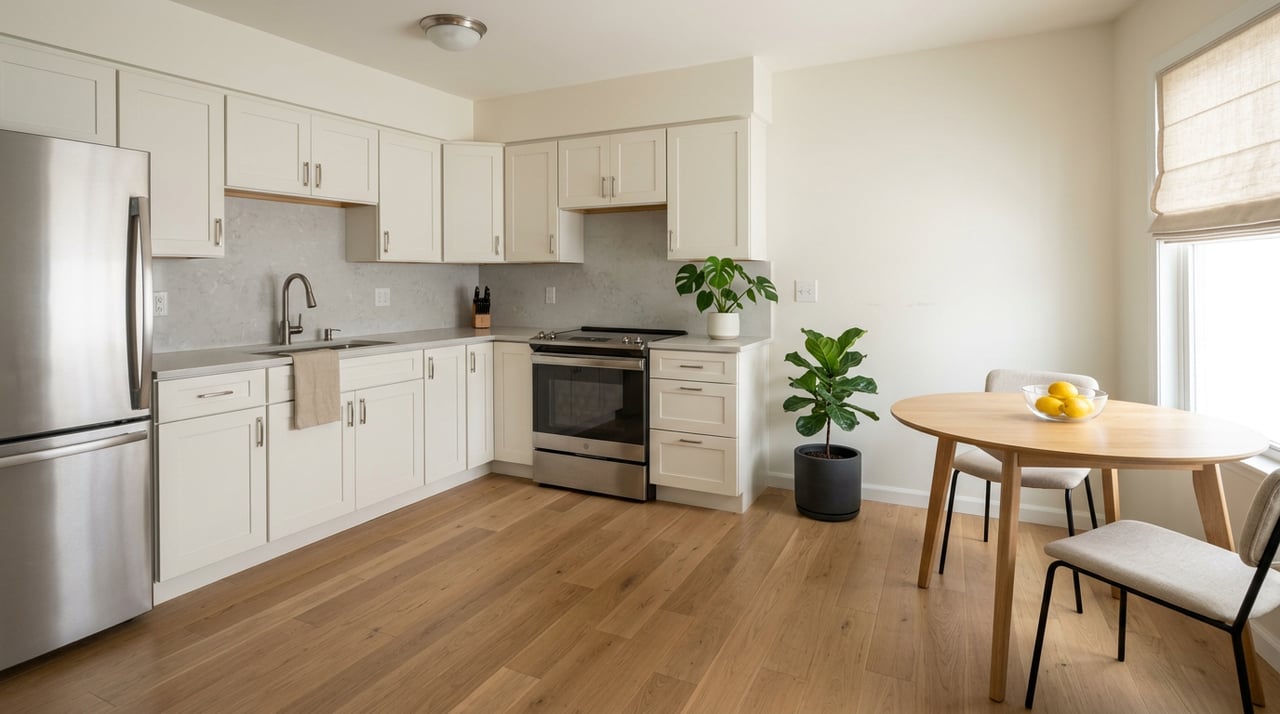
- Using light, neutral colors to brighten up the space
- Arranging furniture to make rooms feel bigger and more open
Pricing Strategies for Different Market Conditions
Setting the right price for your home is crucial, no matter the market. In a seller’s market, you can often ask for a higher price. But in a buyer’s market, you need to be more competitive. Think about pricing strategies that match the current market and your home’s special features.By knowing the market and using the right pricing, you can draw in buyers and sell your home successfully.
Alternative Options to Consider
Thinking about selling your Bay Area home? It’s smart to look at other choices that might fit your financial and personal goals better. Selling is a big step, but there are other ways to get what you need.Renting Your Property Instead of Selling
Renting out your home is another option. You keep ownership and earn rental income. But, it means dealing with tenant issues and upkeep. For some, the extra money is worth it, especially in the Bay Area’s strong rental market.
Partial Solutions: HELOCs and Cash-Out Refinancing
Need cash but don’t want to sell? A Home Equity Line of Credit (HELOC) or cash-out refinancing might help. HELOCs give you a credit line to use as needed. Cash-out refinancing lets you refinance for more than you owe and get the difference in cash.Sale-Leaseback and Other Creative Arrangements
For those looking for something different, a sale-leaseback could work. You sell your home and then lease it back. Other creative options include partnering with investors or finding unique financing. These can give you the money you need while letting you stay in your home.Every alternative has its pros and cons. It’s important to think them over and maybe talk to a financial advisor or real estate expert. They can help you choose the best option for you.
Conclusion: Making Your Decision with Confidence
When deciding to sell your Bay Area home now or later, think about what makes you feel sure about your choice. The Bay Area’s real estate market is complex. It’s shaped by tech jobs, the economy, and who moves in and out.Knowing the market, your money situation, and personal changes can help you decide. Whether you sell now or later, understanding the market and your choices will boost your confidence.
Look at your break-even timeline and think about other options like renting or getting a HELOC. Also, get your home ready to sell for the best price. With good planning, you’ll feel ready to make a choice that fits your needs in the Bay Area’s changing real estate scene.
FAQ
What are the current trends in the Bay Area real estate market?
The Bay Area real estate market is changing. Inventory levels, buyer demand, and interest rates are all shifting. Some areas are seeing price drops, while others stay steady.
How do interest rates affect the Bay Area housing market?
Interest rates greatly impact the Bay Area housing market. When rates go up, fewer people buy homes. But, when rates drop, the market gets busier.
What factors influence Bay Area home values in 2023?
Home values in 2023 are shaped by many things. Tech jobs, the local economy, and who moves in or out are key. Tech jobs especially affect the market.
Should I sell my Bay Area home now or wait, considering my equity position?
Your equity is important when deciding to sell. If you have a lot of equity, now might be a good time. But, think about your finances and tax effects first.
How do I calculate my break-even timeline when selling my Bay Area home?
To figure out when to sell, look at your mortgage, selling costs, and potential gains. Use a calculator or talk to a real estate expert for help.
What are the benefits of renting my Bay Area property instead of selling?
Renting can give you a steady income and lower taxes. But, think about managing the property and if its value will grow over time.
How can I prepare my Bay Area home for maximum value when selling?
To get the best price, make smart improvements, stage your home well, and present it nicely. Knowing the local market is also key.
What are the tax implications of selling my Bay Area home now?
Selling your home now can affect your taxes. It depends on your status, sale price, and original cost. A tax pro can help you understand the impact.
How do life changes, such as relocation or retirement, impact my decision to sell my Bay Area home?
Life changes like moving or retiring can influence your decision. Think about how they’ll change your finances and lifestyle before selling.
What are the advantages of working with a local real estate expert when selling my Bay Area home?
A local expert can guide you through the market. They help with pricing, staging, and negotiations. This ensures you get the best deal.